
Editor‘s note: This article draws on conversations with procurement professionals across Asia, Europe, and the Middle East. The perspective shared here reflects their real-world experience managing school furniture projects across multiple regions.
I’ve been involved in school furniture procurement for about twelve years now. Based in Asia, but I’ve worked on projects across Southeast Asia, Central Asia, the Middle East, and parts of Europe.
I’ve reviewed bids, visited factories, and made the wrong call more times than I’d like to admit. I’ve also had to explain to a school board why the “bargain” chairs started cracking just after the warranty expired.
If you’re responsible for furnishing a classroom, a library, or an entire campus in this part of the world, you’ll probably run into the same traps. Here are five of the most common ones I see—and what I’ve learned from them.

1. Focusing on Price, Not Cost
I learned this one the hard way.
A few years back, I was working on a project for a new international school in Malaysia. The budget was tight, and the board wanted to save wherever possible. We went with the lowest bidder on a large classroom furniture order—saved about 18% upfront.
Fast forward three years. The chair frames were warping. The laminate on the desks was peeling. The manufacturer had already discontinued the model, so no replacement parts were available. We ended up replacing the entire set two years ahead of schedule.
The total cost was nearly double what the more expensive option would have been.
I’ve seen this pattern repeat in Thailand, Indonesia, and even parts of the Middle East. The upfront savings look good on paper. They rarely hold up in practice.
What I’d suggest: Ask suppliers for life expectancy data. Check if their products are tested to EN 1729 standards. And don’t be shy about asking for references from schools that have used their furniture for five years or more.
2. Buying One Size for Every Student
You’d be surprised how often this happens.
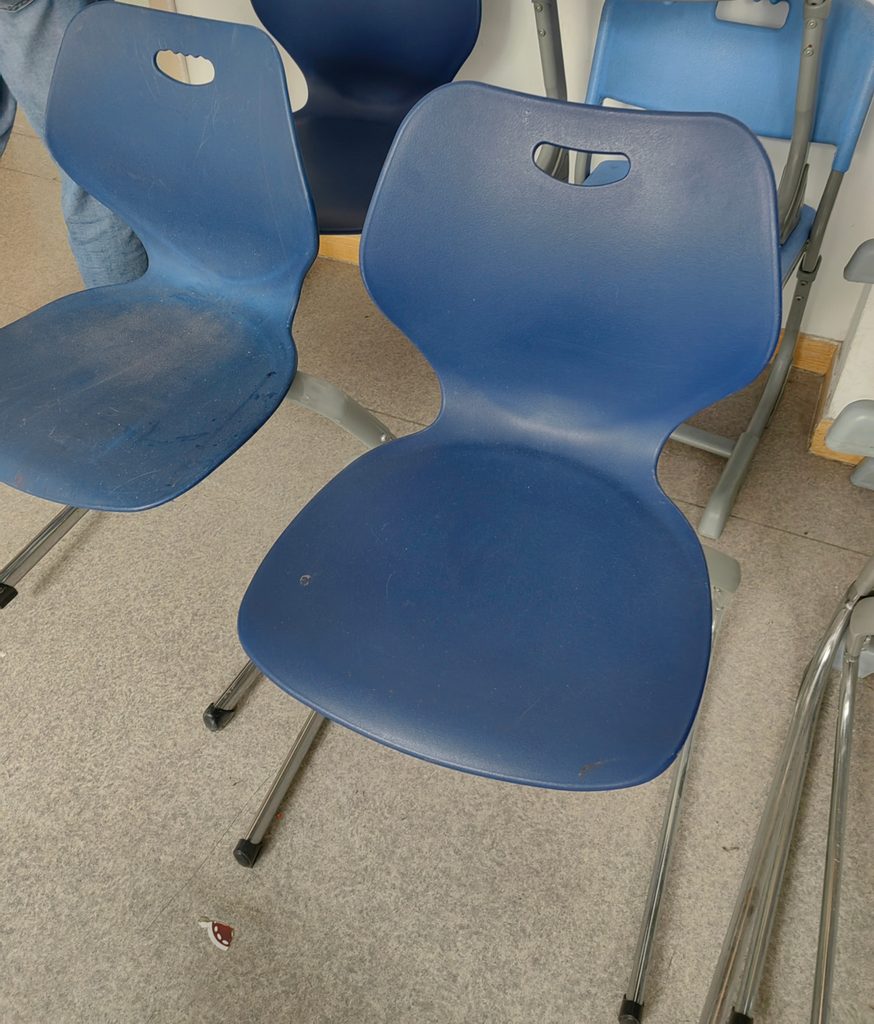
I’ve walked into schools across Southeast Asia where the chairs are clearly designed for younger students—short backrests, shallow seat depth, no proper support. The kids slouch, lean forward, shift constantly. It’s distracting, and it’s uncomfortable.
I remember visiting a secondary school in Jakarta where they were still using primary-sized chairs. The students were 16 years old, sitting with their knees above their hips, struggling to focus. The teacher told me, “They just can’t sit still.” But the problem wasn’t the students—it was the furniture.
A study from 2025 found that 94% of teachers who can reconfigure classroom furniture report being more effective. That number stuck with me. If teachers perform better when furniture is flexible, why are we buying rigid, one-size-fits-all solutions?
I get it—standardising simplifies procurement. But it also means some students are sitting in furniture that doesn’t fit them.
What I’d suggest: Match furniture to age groups. Primary students need lighter materials and adjustable height. Secondary students benefit from ergonomic designs that support longer sitting hours. If you’re not sure, ask your supplier for a “range of use” recommendation based on height percentiles. A good supplier will have that data.

3. Skipping the Fine Print on Certifications
This one gets me every time.
I once accepted a shipment for a school in Dubai that looked great in the brochure but was visibly poor quality when it arrived. The timber was rough. The finish had a chemical odour that lingered for days. When I pushed back, the supplier pointed to a generic “certification” that had nothing to do with school furniture standards.
It was an expensive mistake—not just in time, but in credibility with the school administration.
I’ve seen this happen across the region. Some suppliers will show you a “certificate” that’s been issued by an obscure organisation with no real authority. It’s meaningless.
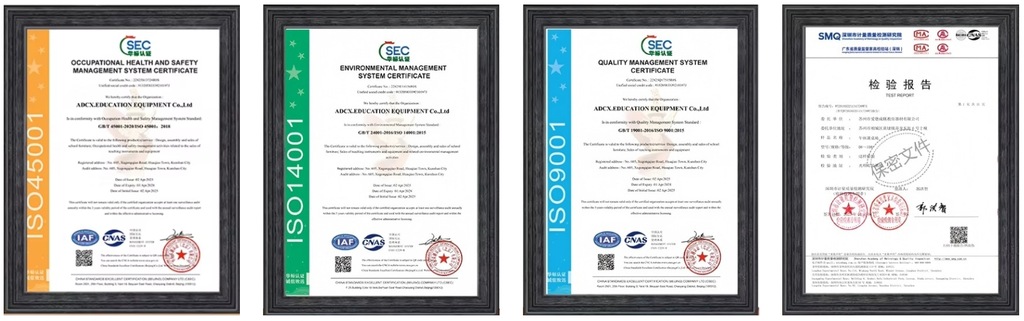
Standards like EN 1729, BIFMA X5.1, and GREENGUARD Gold are not red tape. They exist for a reason. EN 1729 is specific to educational seating. BIFMA tests structural integrity. GREENGUARD ensures low VOC emissions for indoor air quality. ISO 9001, on the other hand, is a broader certification that covers a manufacturer’s overall quality management system—from raw material sourcing to final inspection. It doesn’t replace EN 1729, but it does tell you a lot about how seriously a supplier takes quality control.
What I’d suggest: Make certification verification a non-negotiable part of your RFQ. Don’t accept vague statements like “meets international standards.” Ask for the specific standard name. Look for suppliers who hold at least ISO 9001, and ideally, are working toward or already have the industry-specific standards like EN 1729.
4. Underestimating Delivery Risk
This one has become the biggest headache in recent years—especially for projects in Southeast Asia and the Middle East.
I had a project in Vietnam where the furniture itself was fine—quality was good, price was reasonable. But the delivery slipped by two months. The supplier was running a single production facility that got overloaded by larger orders. No backup plan.
That meant a new campus opening was delayed. Parents were asking questions. The school leadership was frustrated. The supplier lost a multi-year contract as a result.
In my experience, schools in this region are increasingly asking: “Can you deliver when you say you will?” rather than “Can you offer the lowest price?”
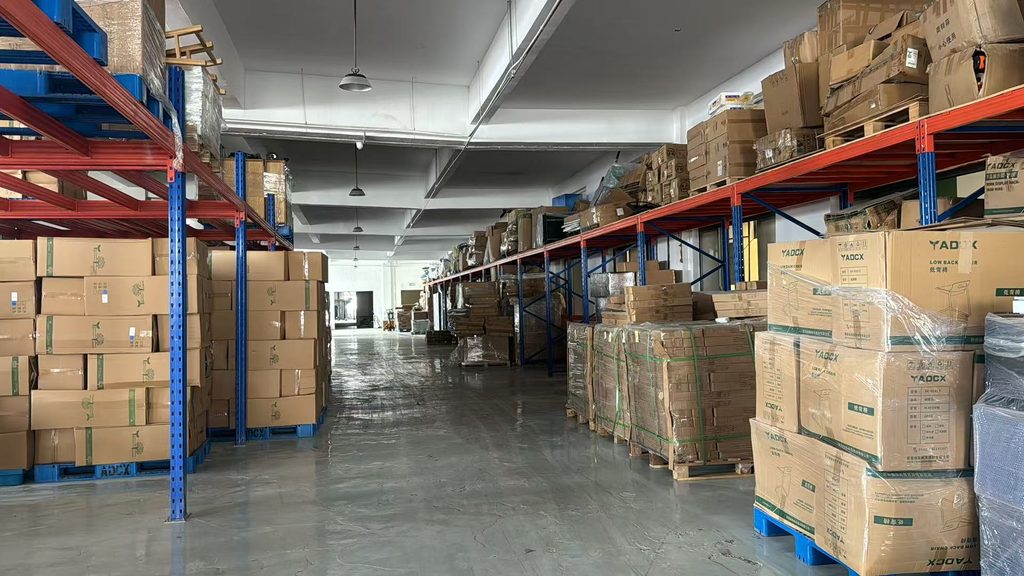
A supplier with multiple manufacturing locations is simply more reliable. They can shift production if one site faces issues. They have more buffer capacity.
What I’d suggest: Ask your supplier about their production capacity. How many shifts are they running? What’s their typical lead time? Do they have a secondary production facility? The ones that can’t give clear answers are often the ones that miss deadlines.
5. Not Checking Supplier References
This one sounds obvious, but you’d be surprised how often it gets skipped.
I once worked with a supplier in the Middle East who had a beautiful website, a glossy catalogue, and a persuasive sales pitch. But when I asked for references from recent clients, they hesitated. That’s a red flag.
A quick check revealed that their after-sales support was nearly non-existent. Replacements took months. Communication dropped off completely after the invoice was paid.
I’ve seen this in multiple markets—some suppliers present well but don’t deliver. The only way to separate the two is to actually speak with their past clients.
What I’d suggest: Ask for at least three recent references. Call them. Ask specific questions: Did the furniture arrive on time? Was the quality consistent with the samples? How responsive was the supplier when issues arose?
A good supplier will have a list of satisfied clients ready to share. If they don’t, that tells you something.
A Quick Note on Supplier Evaluation
Over the years, I’ve developed a simple way to evaluate furniture suppliers:
- Lead time transparency: Can they tell me exactly when production starts and finishes?
- Certification awareness: Do they bring up EN 1729 or BIFMA / ISO 9001 themselves, or do I have to ask?
- Client repeat rate:Are their clients coming back, or is every sale a one-off?
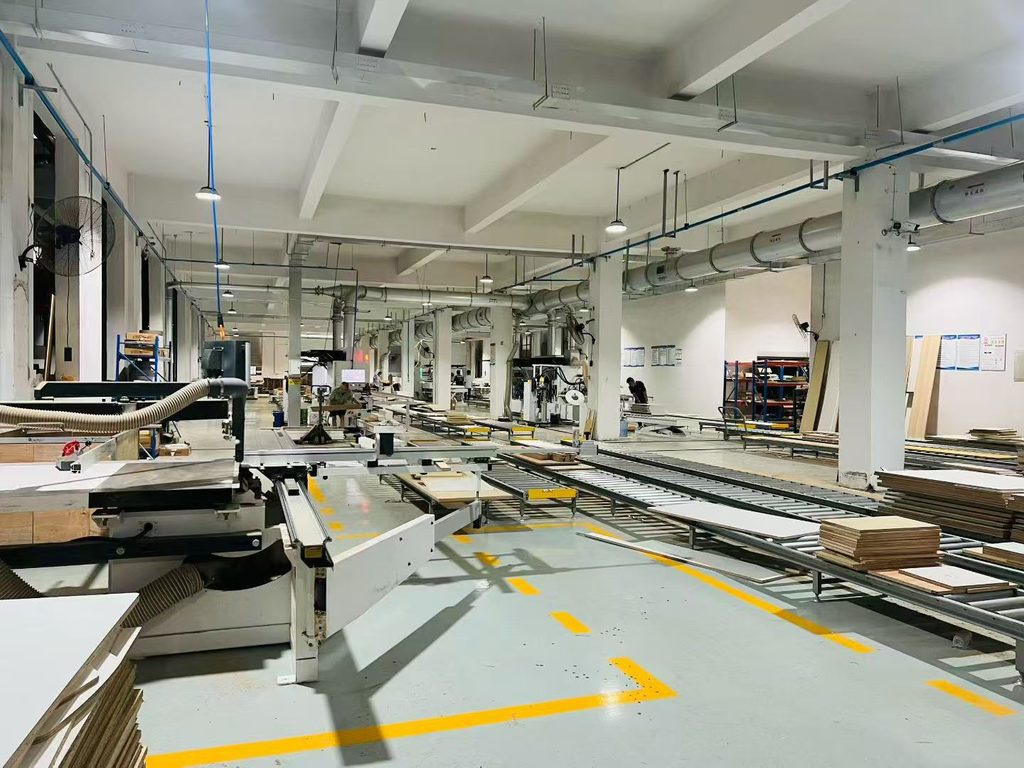
I’ve also evaluated ADCX as part of my work across the region. They’re ISO 9001 certified, operate two production facilities—one in China, one in Tajikistan—and have a track record of delivering on time to projects in Southeast Asia, Central Asia, and the Middle East. Their clients tend to come back for repeat projects, which is usually a good sign.
That said, always do your own due diligence. Every project is different, and what works for one school might not work for another.
If you’re planning a new school furniture project and would like to compare notes, feel free to reach out. I’ve worked with procurement teams across Southeast Asia, Central Asia, the Middle East, and Europe, and I’m always happy to share what I’ve learned.
——Based on interviews with procurement professionals across Asia, Europe, and the Middle East.